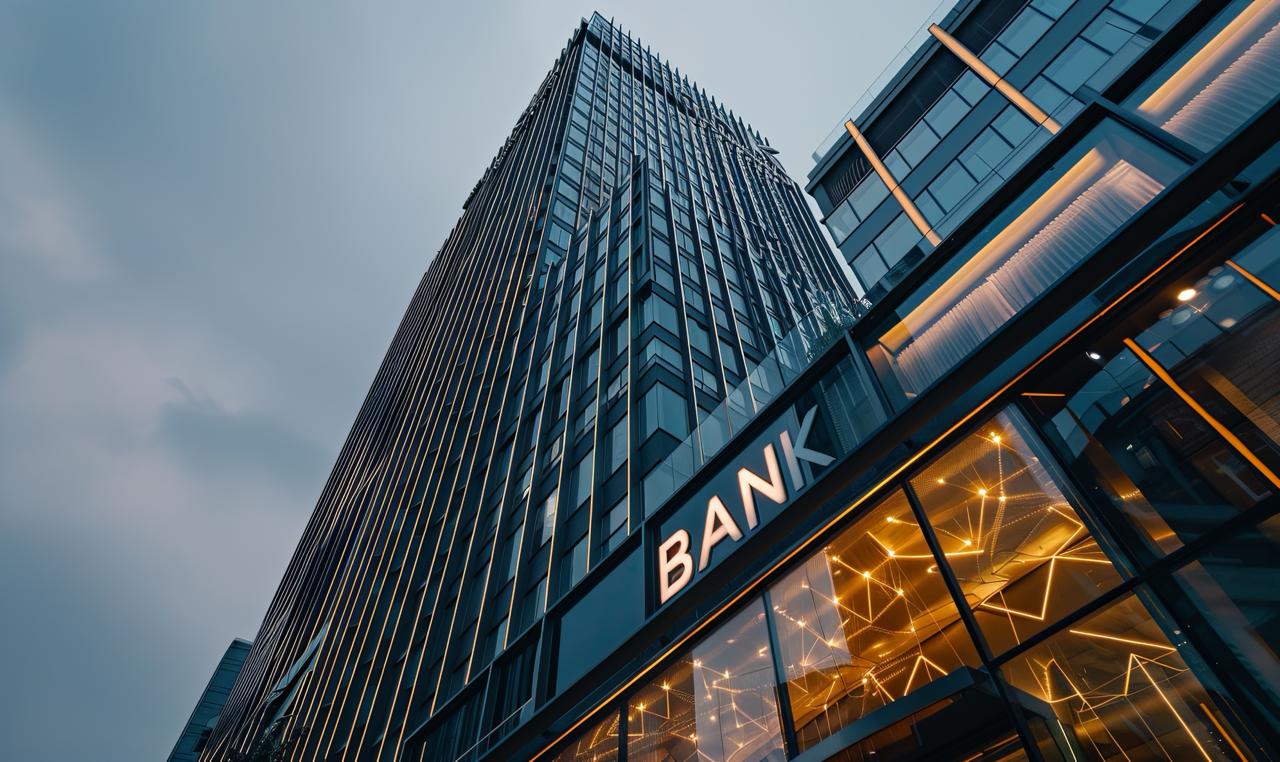
On 16 January 2026, the President of the Republic of Belarus signed Decree No. 19 “On Cryptobanks and Certain Matters of Control in the Field of Digital Tokens”. The document introduces a new type of financial organisation — the cryptobank — into Belarusian legislation and establishes the legal framework for its creation and operation. Belarus has become the first country in the world to enshrine the concept of a “cryptobank” at the level of national legislation.
What Is a Cryptobank
Under Decree No. 19, a cryptobank is defined as a joint-stock company authorised to combine operations with digital tokens with banking, payment, and other related financial transactions. It is a hybrid organisation that integrates the functions of a classical bank and a HTP crypto-ecosystem participant within a single legal entity.
Requirements for Establishment
To obtain cryptobank status, an organisation must simultaneously:
- hold the status of a resident of the High-Technology Park (HTP);
- be included in the special register of cryptobanks maintained by the National Bank of the Republic of Belarus.
Capital requirements: charter capital — at least BYN 20 million; mandatory deposit in the Belarusian banking system — BYN 10 million.
Regulation and Supervision
Cryptobank activities are subject to dual oversight: the National Bank supervises banking and payment operations, while the HTP Supervisory Board oversees digital token activities.
Services Cryptobanks Will Offer
The combination of a banking licence and HTP crypto-resident status will enable cryptobanks to provide services unavailable to either conventional banks or existing crypto exchanges:
- bank cards linked to cryptocurrency assets;
- lending against digital token collateral;
- crypto deposits;
- payment of remuneration to self-employed individuals in cryptocurrency through a cryptobank;
- cross-border settlements using digital assets.
Timeline
Six months have been allocated for the adaptation of the regulatory framework. The first licensed cryptobanks are expected in the second half of 2026. Until then, operations with digital assets in Belarus continue to be carried out exclusively through licensed HTP residents.
Practical Conclusions
1. Decree No. 19 is a framework document. The specific procedure for establishing a cryptobank and obtaining inclusion in the register will be determined separately by the National Bank. Until those acts are adopted, commencing operations as a cryptobank is not possible.
2. For foreign companies, cryptobanks create a legal, regulated instrument for cross-border settlements with Belarusian counterparties — an alternative to classical bank transfers that have been complicated by sanctions restrictions.
3. IT companies and HTP residents already working with tokens should monitor updates to the National Bank’s regulatory framework, as the secondary legislation will determine the practical conditions for working with cryptobanks.
4. Questions regarding the participation of foreign legal entities in the capital of cryptobanks are not directly addressed by the Decree and will be governed by the general rules of Belarusian corporate law and HTP requirements.
The AMBY Legal team is available to advise on digital asset operations in Belarus, obtaining HTP resident status, and structuring token-related activities.
+375 29 142 27 19 · [email protected]