Foreigners looking at Belarusian property tend to make one of two assumptions: that they can’t really buy here at all, or that they can buy anything a local can, just as they would at home. The truth lies somewhere in between, and it turns on a distinction almost everyone misses: the building versus the land.
A foreigner can buy an apartment, or a house as a building, and own it outright on the same footing as a Belarusian citizen — there is no nationality-based restriction on that. Land is different: foreign individuals generally cannot own land in Belarus. So when you buy a house, you get the house itself but usually only a lease of the land beneath it, with the lease re-registered in your name. The main exception is inheritance, through which a foreigner can acquire land in ownership; there is also a Union State exception for Russian citizens. Beyond that distinction, the purchase follows a clear process built around a notary and the state real estate register — but one with plenty of pitfalls for the unwary: unauthorised alterations, people still registered at the address, hidden debts and encumbrances, the seller’s spouse’s consent, and the currency and paperwork formalities a foreign buyer faces. And one more thing buyers often assume, wrongly: owning property does not, by itself, give you the right to live in Belarus. This guide covers the process, the restrictions and the pitfalls.
This article is general information, not legal advice. Property transactions turn on their specific facts, so check your own position before relying on anything here.
Can a foreigner buy? Yes — with one big caveat
Start with the good news, which is broader than most people expect. Under the Law on the Legal Status of Foreign Citizens and Stateless Persons, foreigners — individuals, stateless persons and foreign companies — can acquire residential premises, houses and other buildings, as well as commercial property, in private ownership on an equal footing with Belarusian citizens. There is no nationality-based restriction: an apartment is as available to you as it is to a local buyer. The caveat is land, and it is a real one — significant enough to get its own section below — but it does not prevent you from owning the home itself. So the starting point is the opposite of “foreigners can’t buy here”: you can, and you can own the apartment or building outright. The real question is what happens to the land it stands on.
The building-versus-land distinction
This is the key point, and it catches almost everyone out. Foreign individuals generally cannot own land in Belarus — they hold it under a lease rather than buying it. For an apartment, this barely matters: the land goes with the apartment building and is not something you buy separately, so you simply own your apartment. For a house, it matters a great deal: you own the building, but the land beneath it is leased, and on purchase the seller’s land lease is re-registered in your name. You can use the plot, build on it and pass it on by inheritance, but you cannot sell the land separately from the house, and some land transactions require the local authority’s consent. There are two exceptions worth knowing. A foreigner can own land they inherit from a relative — in ownership or lifelong inheritable possession — and Russian citizens may acquire land on the same terms as Belarusians under Union State arrangements. For everyone else, the rule of thumb is simple: own the building, lease the land.
Buying through a company instead
A question foreign buyers often ask is whether to buy through a Belarusian company rather than in their own name — and it helps to be clear about what that does and does not solve. A Belarusian legal entity can own buildings just as an individual can, but it is not exempt from the land rule: a foreign-owned company generally cannot own land either and holds it under a lease in the same way. So a company structure does not unlock land ownership. What it can do is different: hold commercial property as part of a business, limit personal liability, simplify a later sale (by selling the company rather than the property), or fit into a wider corporate structure. For a home to live in, personal ownership is usually simpler and cheaper; for commercial or investment property, especially as part of a business, a company can make sense. The choice is about liability, tax and exit strategy, not about getting around the land restriction, which applies either way. There is also the cost and administration to consider: a company has to be set up, maintained, keep accounts and eventually be wound up, and holding a single home through one rarely justifies that overhead. The calculation changes as the property becomes more of a business asset — commercial premises, several units, property you intend to let or resell — where limited liability and a cleaner exit start to pay for themselves. In short, match the ownership vehicle to what the property is actually for: a home points to personal ownership, a business asset to a company, and the land rule applies the same either way.
The process, step by step
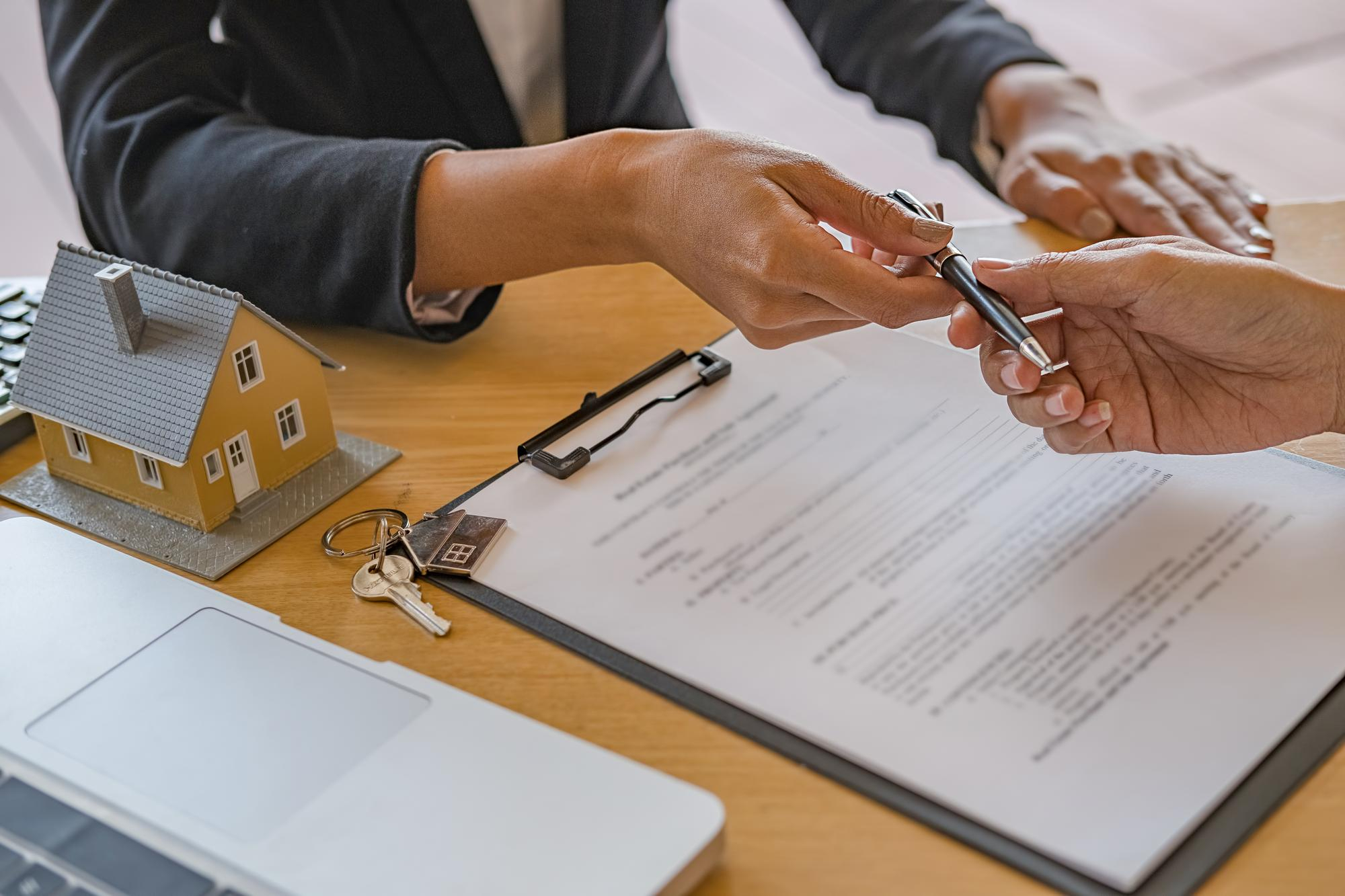
The purchase itself follows a clearly defined procedure. You find the property and carry out due diligence (covered below — and the most important part). You sign a written sale contract, certified by a notary or a registrar. You pay through the notary or a bank, in compliance with the currency rules that apply to foreign buyers. You then register the transfer of ownership in the Unified State Register of Real Estate with the state registration and land cadastre agency. Registration is what actually makes you the owner, and you receive a certificate of state registration. The entire transaction can be handled by a representative under a power of attorney, so you do not need to be in Belarus to buy — a common route for foreign buyers. The procedure itself is straightforward; the substance, and the risk, lies in the checks you carry out before signing.
New-build or resale
Where you buy matters as much as what you buy, because the two markets carry different risks. A resale (secondary-market) property comes with an existing title and history, which is exactly why the checks in the next section matter: registered occupants, alterations, debts and encumbrances all attach to a property with a past. A new-build bought from a developer, often off-plan under a shared-construction agreement, starts with a clean slate — no previous occupants, no inherited debts — but carries a different risk: the developer. Delays, changes to the project or, in the worst case, the developer’s insolvency are what you need to guard against, so the focus of your checks shifts from the property’s past to the developer’s track record and the protections in the contract. Neither option is safer in the abstract; they simply go wrong in different ways. A foreign buyer should know which market they are in and check accordingly — the history of a resale property, the developer and the contract for a new-build — rather than assuming the same checks apply to both.
Due diligence: the checks that matter
This is where deals are won or lost, and where a foreign buyer most needs someone on the ground. Before you sign, verify: the title and the seller’s right to sell; any encumbrances, seizures or mortgages on the property; who is still registered at the address and what right they have to live there; whether there are unauthorised alterations, which can block registration of your ownership; outstanding debts and utility arrears; the seller’s spouse’s consent if the property is marital property; the guardianship authority’s consent if a minor owns a share; and the authenticity of the documents. None of this is unusual, but any one of these issues can turn a clean-looking purchase into a problem — registration refused, an occupant who won’t leave, a debt that follows the property. Due diligence is not a formality to rush through; it is the part of the purchase that protects you.
What foreign buyers need to know
A few points are specific to buying from abroad. Transferring funds into Belarus and paying for the property involve currency and payment formalities; the notary and the bank handle them, but you should plan for them. Your own documents — passport, any power of attorney — will usually need an apostille (or consular legalisation) and a certified translation before they can be used here. You can buy remotely through a representative acting under a power of attorney, which is how many foreign purchases are done. And the point buyers most often get wrong: owning real estate in Belarus does not entitle you to a residence permit or citizenship — property ownership is not a legal ground for the right to live here. So buy the property for its own sake, not as an immigration route, and set your expectations accordingly. None of this is an obstacle — just practicalities a foreign buyer needs to get right.
The notarised contract: what it should cover
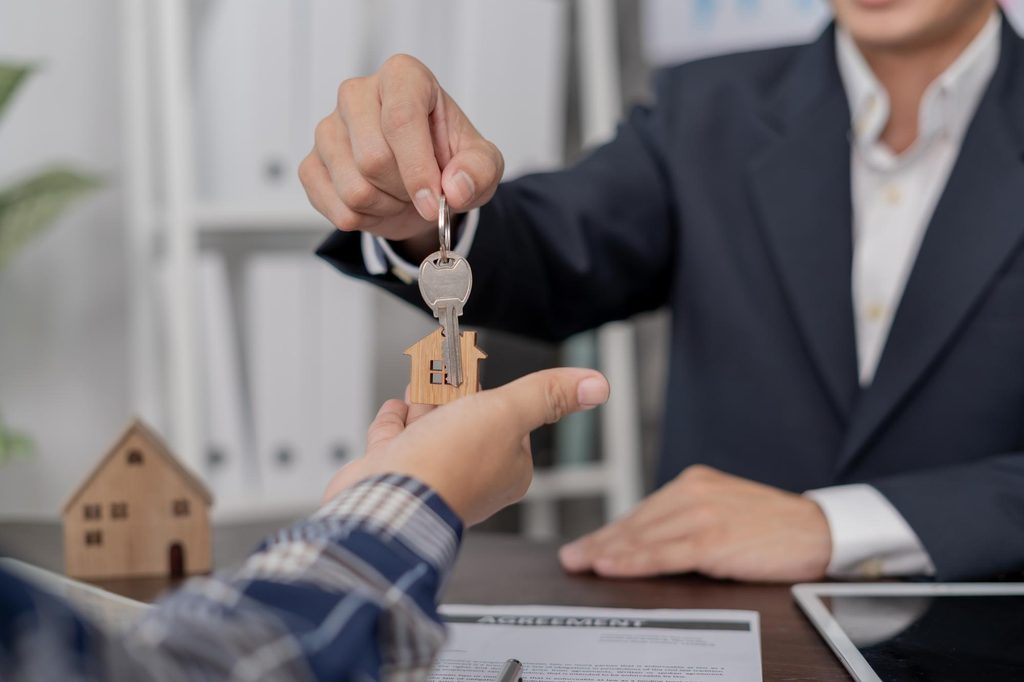
The sale contract is where the buyer’s protections sit, and a notarised contract should do more than record the price. It should identify the property precisely and confirm the seller’s title; set out the price and the payment mechanism; and contain the warranties that matter — that the property is free of encumbrances, seizures and undisclosed debts, that everyone registered at the address will be deregistered by an agreed date, and that the property will be handed over vacant where that has been agreed. If the property is marital, the seller’s spouse’s consent is attached; if a minor owns a share, so is the guardianship authority’s consent. The notary verifies identities and legal capacity, checks the title and the consents, and ensures the contract is in the form required by law — which is part of why real estate sales in Belarus go through a notary in the first place. For a foreign buyer, the lesson is to treat the contract not as a formality to sign at the end, but as the instrument that holds the seller to their promises — so the terms and warranties need to be right before signing, not after. It is especially worthwhile for a foreign buyer to have the contract reviewed by someone they trust, in a language they understand: the transaction will be conducted in Russian or Belarusian, the notary is impartial rather than acting for you alone, and a clause that looks standard can have consequences you only discover later. Having your own adviser review the contract — and negotiate the warranties and handover terms — costs little compared with the price of the property and is the surest way to make the document work for you rather than merely record the sale.
After you own it: letting, selling, passing it on
Ownership is not the end of the story, and three things are worth thinking through before you buy, not after. Letting: if you rent the property out, the rent is taxable income, and a non-resident owner has their own tax position to manage. Selling: a sale may be taxable, and as a non-resident you will also need to plan for currency conversion and repatriation of the proceeds — so how you will get your money out is a question to consider from the outset. Passing it on: your Belarusian property will form part of your estate. Inheritance is also the main way a foreigner can come to own land here, where the deceased held the plot in private ownership. So think about the purchase over its whole lifecycle: not just acquiring the property, but holding, letting, selling and bequeathing it, each stage with its own tax implications and, for a foreigner, currency and cross-border complications. Our article on an inherited apartment covers succession; the rest is worth modelling before you commit. What links all three is foresight: decisions that seem distant at the time of purchase — how rental income will be taxed, how you will move sale proceeds home, who will inherit and on what basis — are far cheaper to plan now than to untangle later, especially across borders. A buyer who thinks only about getting in may find getting out, or passing the property on, harder than it needed to be. So treat the purchase as the start of a long-term relationship with the asset, and ask the exit and succession questions while every option is still open.
Tax, ongoing costs and next steps
Finally, the costs beyond the purchase price, and the practical steps. Expect registration and notary fees on the purchase, annual real estate tax while you own the property and, if you sell later, tax on the sale — with the non-resident position worth checking in advance. If the property is a house with land, or a spouse or a minor’s share is involved, the additional consents and the land-lease mechanics need careful handling. The practical advice is simple: use a notary and a lawyer, carry out thorough due diligence, understand exactly what you are acquiring (the building, and the land on what basis), and get advice — especially for a house with land or a remote purchase. For the inheritance side of real estate, see our article on an inherited apartment; the purchase itself is exactly what we handle.
A worked example: an apartment and a house
Two purchases show the distinction in practice. A foreign buyer purchases an apartment in Minsk: she carries out due diligence, signs a notarised contract, pays through the bank, registers the transfer and owns the apartment outright. The land never comes up as a separate issue, because it goes with the apartment building. It is simple, and in substance no different from a local buying the same apartment. A second foreign buyer purchases a country house: he owns the house as a building, but the land beneath it is leased, and the seller’s land lease is re-registered in his name as part of the deal. He can live there, extend the house and leave it to his children, but he cannot sell the land separately from the house, and some land transactions may need the local authority’s approval. Same country, two buyers, two very different ownership outcomes — and the difference comes down entirely to building versus land. Get that distinction clear before choosing between an apartment and a house, because it determines what you actually end up owning. It can also shape the choice itself: a buyer who wants straightforward, outright ownership may opt for an apartment precisely to avoid the land question, while one who wants a plot and a garden accepts the lease as the price of having a house. Neither choice is wrong, but it should be made with the trade-off in mind — not discovered at the notary’s office when the land turns out to be leased rather than owned.
Common mistakes and misconceptions
A handful of misconceptions regularly trip foreign buyers up. That foreigners can’t buy property in Belarus — they can, and own an apartment or house outright. That if you can buy a house, you can own the land — generally you can’t; you lease it. That buying property gives you residence rights — it doesn’t. That a new-build is automatically safer than a resale — it simply carries different risks (the developer rather than the property’s history). That due diligence is a formality — it’s the part that protects you. And that buying here works just as it does at home — the notary-and-register process and the land rule are genuinely different. Most of these come from carrying over assumptions from another market, or reading the restrictions as broader or narrower than they really are. The accurate picture is specific: own the building outright, lease the land, buy through a notary and the state register, do the checks and don’t expect residence rights. Get that right, and buying property in Belarus is as workable for a foreigner as for anyone else.
What can a foreigner own?
Own the building; the land is the catch.
What a foreigner wants to buy
Can you own it?
An apartment
Yes — outright, like a Belarusian citizen
A house (the building)
Yes — you own the building
The land under a house you buy
Usually leased rather than owned — the lease is re-registered in your name
A standalone land plot
Generally no — foreign individuals cannot buy land into ownership
Land you inherit from a relative
Yes — inheritance is the main exception
Commercial premises
Yes — you own the premises (land as above)
General guide only. Under Union State arrangements, Russian citizens may acquire land on the same terms as Belarusians. Rules change, so confirm the position for your specific purchase.
Frequently Asked Questions
Can a foreigner buy property in Belarus?
Yes. Foreigners — individuals, stateless persons and foreign companies — can acquire apartments, houses, other buildings and commercial property in private ownership on an equal footing with Belarusian citizens. There is no nationality-based restriction on owning the home itself. The one real restriction is land, which foreign individuals generally cannot own — but that does not prevent you from owning the apartment or building.
Can a foreigner buy land?
Generally no. Foreign individuals cannot acquire land in private ownership by purchase or gift — they hold land under a lease. The main exception is inheritance: a foreigner can own land they inherit from a relative. Under Union State arrangements, Russian citizens may also acquire land on the same terms as Belarusians. For everyone else, land is leased, not owned.
What happens to the land when I buy a house?
You own the house (the building), and the land beneath it is leased — the seller’s land lease is re-registered in your name. You can use the plot, build on it and pass it on by inheritance, but you cannot sell the land separately from the house, and some land transactions require the local authority’s consent. The rule of thumb: own the building, lease the land.
How does the buying process work?
Find the property and carry out due diligence; sign a written sale contract certified by a notary or a registrar; pay through the notary or a bank, complying with the currency rules for foreign buyers; and register the transfer of ownership with the state registration and land cadastre agency, which makes you the owner and issues your certificate of state registration. The procedure is clearly defined — and the due diligence before signing is the part that matters most.
Can I buy remotely?
Yes — through a representative acting under a power of attorney, which is how many foreign purchases are done. Your documents (passport, power of attorney) will usually need an apostille or consular legalisation and a certified translation. So you do not need to be in Belarus to buy: a properly drafted power of attorney and reliable local representation allow the purchase to go ahead in your absence.
What are the main pitfalls?
Unauthorised alterations that can block registration; people still registered at the address and their right to live there; encumbrances, seizures or a mortgage; outstanding debts and utility arrears; missing spousal consent where the property is marital; a minor’s share requiring the guardianship authority’s consent; and the authenticity of documents. Any one of these can turn a clean-looking purchase into a problem — which is why due diligence matters so much.
Does buying property give me the right to live in Belarus?
No. Owning real estate in Belarus is not a legal ground for a residence permit or citizenship. Property ownership and the right to live here are separate matters — so buy the property for its own sake, not as an immigration route, and do not assume the purchase comes with a right of residence.
What taxes apply?
Expect registration and notary fees on the purchase, annual real estate tax while you own the property, and tax on any later sale — and check the non-resident position in advance, as it may differ. Inheritance of property is treated separately. Model the tax position, including a future sale, before you buy rather than after.
Should I buy through a company?
Only for its genuine advantages, not to get around the land rule — a foreign-owned Belarusian company generally cannot own land either and leases it in the same way. A company can be useful for holding commercial property, limiting liability, simplifying a later sale (by selling the company) or fitting into a wider structure. For a home, personal ownership is usually simpler; for commercial or investment property, a company can make sense.
Is a new-build safer than a resale?
Not safer — just different. A resale property comes with a history (occupants, alterations, debts, encumbrances), and that is what you check. A new-build from a developer has a clean slate but carries developer risk (delays, insolvency), so you check the developer and the contract instead. Know which market you are in and check accordingly — neither is automatically the safer choice.
What should the sale contract cover?
The property and the seller’s title; the price and payment mechanism; and the key warranties — no encumbrances, seizures or debts, occupants deregistered by an agreed date, vacant handover where agreed — plus any required spousal and guardianship consents. The notary verifies identity, legal capacity, title and consents and ensures the contract is in the correct form. Treat the contract as your protection, not a formality to sign at the end.
What should I consider when letting or selling the property?
Rental income is taxable, and non-residents have their own tax position; a sale may also be taxable, and as a non-resident you will need to plan for currency conversion and repatriation of the proceeds. So think about how you will get your money out from the start, not just how you get in. Inheritance is a separate matter — and the main route by which a foreigner can actually own land.
Can I own land if I inherit a house?
Yes — inheritance is the exception. Although you can only lease the land under a house you buy, land the deceased held in private ownership can pass to a foreign heir in ownership (or lifelong inheritable possession). So a foreigner who inherits a house with land may end up owning the land, while a foreigner who buys the same house gets only a lease. Inheritance is the main route to land ownership for foreigners in Belarus.
Conclusion
A foreigner can own an apartment or a house in Belarus outright, but generally not the land, which is held under a lease (inheritance and the Union State position for Russian citizens aside) — so the building-versus-land distinction is the key thing to understand. Buying goes through a notary and the state register: straightforward in form but full of due-diligence pitfalls, and property ownership does not give you residence rights. Do the checks, understand exactly what you are acquiring and get the formalities right, and the purchase is as workable for a foreigner as for a local buyer.
If you are buying real estate in Belarus — an apartment, or a house where the land question needs sorting out — and want the due diligence done and the transaction handled for you, even entirely from abroad, tell us about the property and your situation and we will take it from there. Speak to our private client team, or get in touch.
About the Author
AMBY Legal Team
AMBY Legal is a team of licensed advocates based in Minsk, Belarus, advising foreign businesses and private clients since 2015.
Real Estate Law
Real estate transaction support in Belarus with full legal protection and risk minimization!
Subscribe for useful materials, key legal updates, and industry trends.
Us on Social Networks
Join us on social media for the latest trends and practical guidance in law and business.
Contact us
Contact us to get information about the project
We use cookies
We use cookies to give you the most relevant experience, remember your preferences, and understand how our site is used. You can accept all cookies, reject non-essential ones, or manage your choices in detail. Read our Privacy Policy and Cookie Policy.
Cookie settings
You can change your preferences at any time. Your choices are stored for 12 months on this device.
Strictly necessary
Always on
On
Essential for core site functionality: authentication, security, load balancing, and remembering your consent. The site cannot work without these cookies.
Cookie name
Provider
Duration
Purpose
cookie_consent
Amby Legal
12 months
Stores your cookie consent preferences.
Functional
Remember your choices such as language, theme, saved form data, and video or audio preferences for a more convenient experience.
Cookie name
Provider
Duration
Purpose
locale
Amby Legal
12 months
Remembers your preferred language.
remember_me
Amby Legal
30 days
Keeps you signed in on trusted devices when you choose to.
Analytics
Help us understand how visitors use the site so we can improve content, navigation, and performance. Includes tools such as Google Analytics, Yandex.Metrica, Hotjar, and Plausible.
Cookie name
Provider
Duration
Purpose
_ga
Google Analytics
2 years
Distinguishes unique users and sessions for usage statistics.
_gid
Google Analytics
24 hours
Distinguishes users within a 24-hour period.
_ym_uid
Yandex.Metrica
1 year
Identifies returning visitors for analytics reports.
_ym_d
Yandex.Metrica
1 year
Stores the date of the user's first site visit.
plausible_ignore
Plausible
Session
Honours opt-out from Plausible analytics when set.