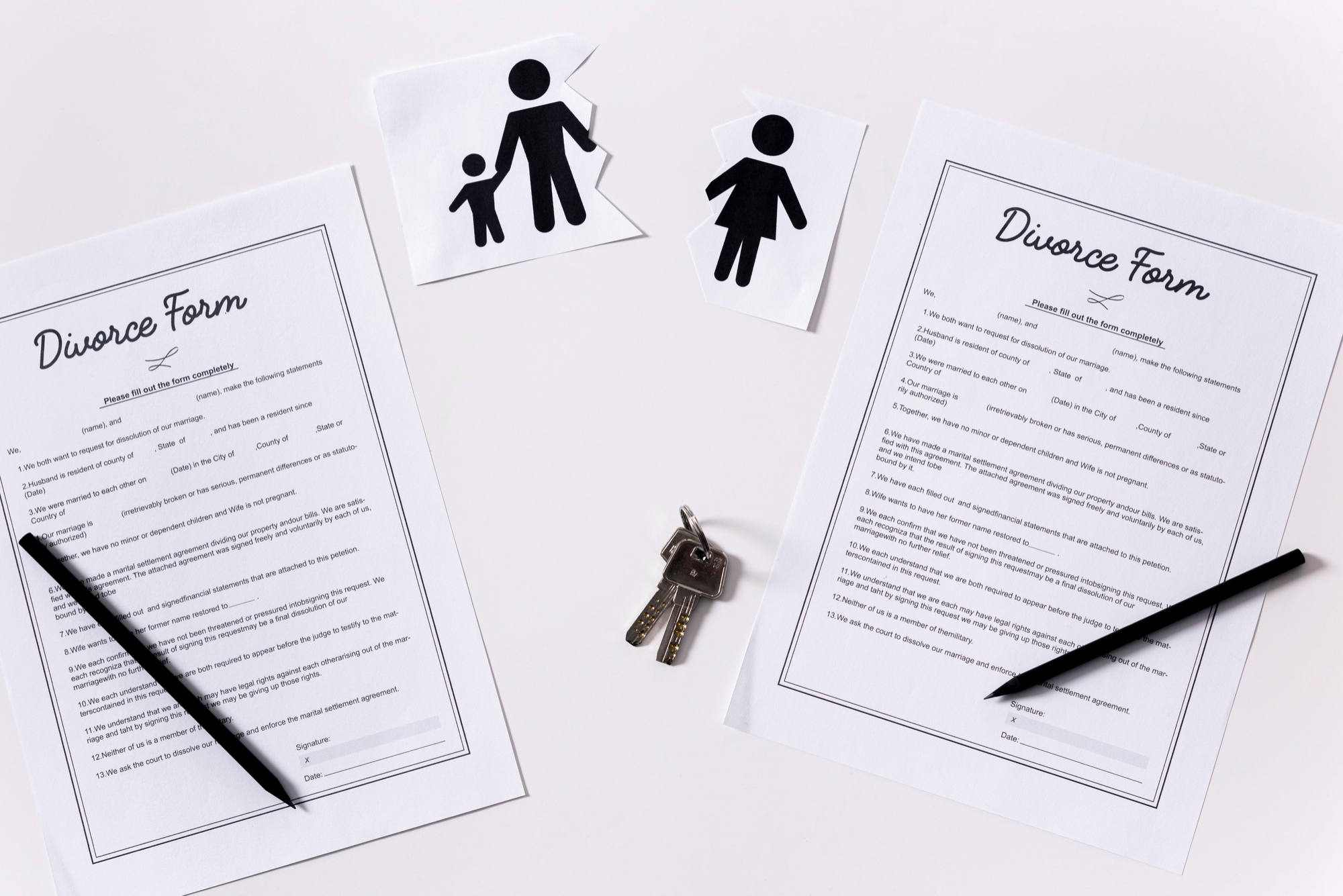
When parents separate or divorce, one of the most emotionally difficult questions is where the children will live. Belarusian family law approaches this question through a specific legal framework designed to place the child’s interests above the wishes of either parent. This article explains how child residence disputes are resolved under the Marriage and Family Code of the Republic of Belarus, what evidence courts examine, and how the process unfolds for parents (including foreign nationals) whose case falls under Belarusian jurisdiction.
The Legal Ground Rules: Both Parents Start on Equal Footing
Belarusian law does not favour mothers, and it does not favour fathers. Whatever assumptions clients bring with them from home, the answer is the same. On paper, both parents start the case with identical rights.
That principle is in the Constitution, and it is written into Article 76 of the Marriage and Family Code. Mothers and fathers hold equal rights and equal obligations toward their children. Divorce does not change that. Income does not change it either. A parent earning three times as much as the other does not walk into a Belarusian courtroom with an advantage.
While the parents live together, none of this matters much. The child lives where the parents live. Problems begin when the household breaks up. If the parents can settle the question between themselves, either informally or through a notarised Children’s Agreement, the state stays out of it. If they cannot, one of them files a claim and the district court decides.
Article 74 of the Marriage and Family Code
The key provision is Article 74 of the Marriage and Family Code. It sets out three rules in a single article:
The child’s place of residence follows the parents’ place of residence unless the law provides otherwise.
If parents live separately, they decide the child’s residence by mutual agreement.
Disagreements are resolved by the court, based on the interests of the child.
That last sentence is the doorway to every contested case in Belarus. The court is not asked which parent is “more deserving.” It is asked what living arrangement best serves the child. The distinction matters, because a parent who spends the trial attacking the other parent often loses ground with the bench.
What Belarusian Courts Actually Weigh
Article 74 goes on to list the factors the court must consider when parents disagree. In practice, these factors carry different weight depending on the age of the child and the family situation, but every judgment engages with the same catalogue.
Care and attention. Which parent has genuinely been carrying the load? Homework, doctors’ appointments, sports practice, the small logistics of a child’s week. Courts in Belarus look at the pattern of the past two or three years and draw their conclusions from what actually happened, not from what either parent now says was happening. A father who genuinely did the school runs will beat a father who says he did. The reverse is equally true for mothers.
The child’s age and attachments. With infants and pre-schoolers, the parent doing the nightly wake-ups usually walks in with an edge. That is not written into the law as a maternal preference, and we have seen fathers succeed where they were genuinely the primary carer, but the pattern holds because continuity matters to small children and courts know it. Older children rarely fit the same template. By the time a child is in the middle years of primary school, the assessment starts to include people the parents may not have thought about, a favourite cousin, grandparents around the corner, the classmate whose birthday parties the child has attended for four years running. All of that becomes part of the picture.
Personal qualities of each parent. Lifestyle, moral character, and any history of behaviour harmful to the child (violence, addiction, criminal record) come into play here. Courts also consider each parent’s willingness to keep the other parent involved rather than shut out.
Material and psychological environment. This is the part of the case where the home itself is on trial. Is there a bedroom for the child, or a corner of somebody else’s living room? Does the pay cheque arrive every month, or does it appear and disappear? Is the house calm at bedtime, or is somebody usually shouting? Wealth helps, but only up to a point. A well-heeled parent whose household is a mess of arguments, unstable relationships and unpredictable routines does not automatically outrank a parent who earns less but runs a settled home. Judges tend to be more impressed by the second than the first.
Level of upbringing. Educational engagement, cultural development, and the child’s ability to grow socially all fall under this heading.
The Child’s Own Voice
Once a child reaches the age of ten, Belarusian law requires the court to take their preference into account, unless doing so would contradict the child’s interests. This does not mean the child chooses. It means the court weighs a genuine, freely expressed preference alongside every other factor.
The child is not questioned by the judge. The guardianship and custody authority does that, and a psychologist is normally present during the conversation. The interview has a specific purpose: to work out what the child genuinely thinks rather than what either parent has trained them to say. Coached answers, threats about losing contact with a favourite grandparent, and promises of gifts if the child says the right thing are all things these officers are trained to spot. Where the pressure is obvious, the court can simply disregard what the child said and decide on the other evidence.
For parents involved in a broader case, this piece often arrives together with divorce proceedings, and courts routinely handle both matters together under Article 39 of the Code, in a single statement of claim.
The Guardianship and Custody Authority
No child residence case reaches judgment in Belarus without the guardianship and custody authority. Article 86 makes its participation mandatory, and its written report is one of the most important documents in the file.
The authority inspects the living conditions of both parents. Inspectors look at sleeping arrangements, study space, sanitary conditions, and the general atmosphere in the home. They also interview the child (from age ten), and often speak with kindergarten staff, teachers, or the family doctor. Their report goes to the court along with a conclusion on where the child’s interests point.
The judge is not bound by that conclusion but must state reasons for departing from it. Judgments that ignore the guardianship authority’s findings without explanation are routinely reversed on appeal, so most contested cases turn, in part, on how well each parent presents to the inspector.
For international matters, the authority’s involvement is worth flagging early. Foreign parents can, and often should, be represented by Belarusian family advocates during inspections and interviews, so that language and cultural differences do not distort the record.
Family Lawyer
Professional legal support for family matters in Belarus — safeguarding rights and family interests!
A residence claim is filed with the district court where the defendant parent lives, or where the child is present. The claim can be filed on its own or combined with divorce, alimony, and contact-arrangement claims in a single statement.
At the first hearing, the court sets a schedule for the guardianship authority’s report and identifies the evidence each side will need to produce. Typical documents include character references from work and neighbours, medical and educational records, photographs of the child’s living space, and, where relevant, records confirming the absence of registration for substance dependency or psychiatric conditions.
Witness testimony from teachers, doctors, or family friends is common. Expert psychological assessment of the parent-child relationship may be ordered where the case turns on attachment questions. Cases that begin as bitter conflicts sometimes end in a settlement once both sides see the guardianship authority’s draft conclusion.
The final judgment names one parent as the parent with whom the child will live and, in most cases, sets a contact schedule for the other parent under Article 77 of the Code. Where useful, the court may also address alimony in the same decision, which spares the family a second lawsuit. For related enforcement questions, see our note on alimony recovery when the paying parent has irregular income.
International Framework and Cross-Border Cases
Belarus is a party to the Hague Convention on the Civil Aspects of International Child Abduction, and cases involving parents in different countries increasingly rely on it. Where one parent has moved the child from Belarus to another jurisdiction without consent, the Convention channels the return application through the competent authorities of the child’s habitual residence.
International standards on child rights also inform Belarusian court practice. The Convention on the Rights of the Child has been ratified by Belarus and is regularly cited in family judgments, particularly on the child’s right to be heard.
Common Misconceptions
Several beliefs come up in almost every consultation, and they are worth clearing up.
Mothers do not have automatic priority. Belarusian courts do not follow the old Soviet “tender years” presumption. Fathers do prevail in residence cases where the evidence supports it.
Registration address is not custody. The court decides which parent the child lives with. That is a legal custody decision, not an entry in the housing register.
Financial superiority does not decide the case. A parent who out-earns the other by ten times can still lose if the child is more attached to the poorer parent and the poorer parent provides a better daily environment.
Grandparents cannot be named as the child’s residence. Belarusian law places the child with a parent, not a relative. Guardianship proceedings are the correct route where neither parent is suitable.
FAQ
Can we decide the child’s residence without going to court?
Yes. Article 74 allows parents to settle the question by agreement. For added certainty, the agreement can be recorded in a notarised Children’s Agreement under Article 76.1, which is legally binding and enforceable in the same way as a court judgment.
At what age is a child’s opinion taken into account?
From the age of ten. Below that age the child’s views may still be considered informally, but the court is not obliged to seek them out.
Does the guardianship authority visit both parents’ homes?
Yes. Standard practice requires an inspection of each parent’s living conditions, and the authority’s conclusion covers both.
Can a foreign parent bring a residence claim in Belarus?
Yes, where Belarusian courts have jurisdiction, typically because the child, one of the parents, or the marriage is connected to Belarus. Foreign parents can be represented under a power of attorney and, in most cases, do not need to travel for every hearing.
What happens if the other parent ignores the court’s decision?
Enforcement is handled by the bailiff service under the general rules of executive proceedings. Repeated non-compliance can result in administrative liability and, in serious cases involving concealment or abduction of the child, criminal consequences.
Working With an Advocate
Child residence cases are decided on the record: the guardianship authority’s report, documentary evidence, and testimony. Parents who go into court without preparing that record properly can lose cases they should have won. If you are considering, or facing, a claim on where your child will live, our team can help you determine your child’s place of residence through the Belarusian legal system, whether by voluntary agreement, notarised settlement, or contested court proceedings.
About the Author
AMBY Legal Team
AMBY Legal is a team of licensed advocates based in Minsk, Belarus, advising foreign businesses and private clients since 2015.
Child Custody Support
Expert support in Belarus regarding child custody and residence matters with full assistance throughout the process!
The arbitration clause is the paragraph everyone skips at signing and everyone needs when something breaks. By the time you’re reading it carefully, the chance to fix it has passed. With a Belarusian counterparty, the dispute resolution clause shapes almost everything downstream: which forum has authority, what rules apply, where the seat sits, whose law […]
When a child cannot be raised by their parents — because the parents have died, have lost their parental rights or are unable to care for the child — someone else has to step in, and that person is usually a relative: a grandparent, an aunt or uncle, an adult brother or sister. Most people […]
People making a Belarusian will — or expecting to inherit under one — usually assume the will has the final say: whatever it says goes, and a testator can leave everything to anyone they choose. That is mostly true, but not entirely, and the exception has a name: the obligatory share. Belarusian law reserves a […]
Subscribe for useful materials, key legal updates, and industry trends.
Us on Social Networks
Join us on social media for the latest trends and practical guidance in law and business.
Contact us
Contact us to get information about the project
We use cookies
We use cookies to give you the most relevant experience, remember your preferences, and understand how our site is used. You can accept all cookies, reject non-essential ones, or manage your choices in detail. Read our Privacy Policy and Cookie Policy.
Cookie settings
You can change your preferences at any time. Your choices are stored for 12 months on this device.
Strictly necessary
Always on
On
Essential for core site functionality: authentication, security, load balancing, and remembering your consent. The site cannot work without these cookies.
Cookie name
Provider
Duration
Purpose
cookie_consent
Amby Legal
12 months
Stores your cookie consent preferences.
Functional
Remember your choices such as language, theme, saved form data, and video or audio preferences for a more convenient experience.
Cookie name
Provider
Duration
Purpose
locale
Amby Legal
12 months
Remembers your preferred language.
remember_me
Amby Legal
30 days
Keeps you signed in on trusted devices when you choose to.
Analytics
Help us understand how visitors use the site so we can improve content, navigation, and performance. Includes tools such as Google Analytics, Yandex.Metrica, Hotjar, and Plausible.
Cookie name
Provider
Duration
Purpose
_ga
Google Analytics
2 years
Distinguishes unique users and sessions for usage statistics.
_gid
Google Analytics
24 hours
Distinguishes users within a 24-hour period.
_ym_uid
Yandex.Metrica
1 year
Identifies returning visitors for analytics reports.
_ym_d
Yandex.Metrica
1 year
Stores the date of the user's first site visit.
plausible_ignore
Plausible
Session
Honours opt-out from Plausible analytics when set.